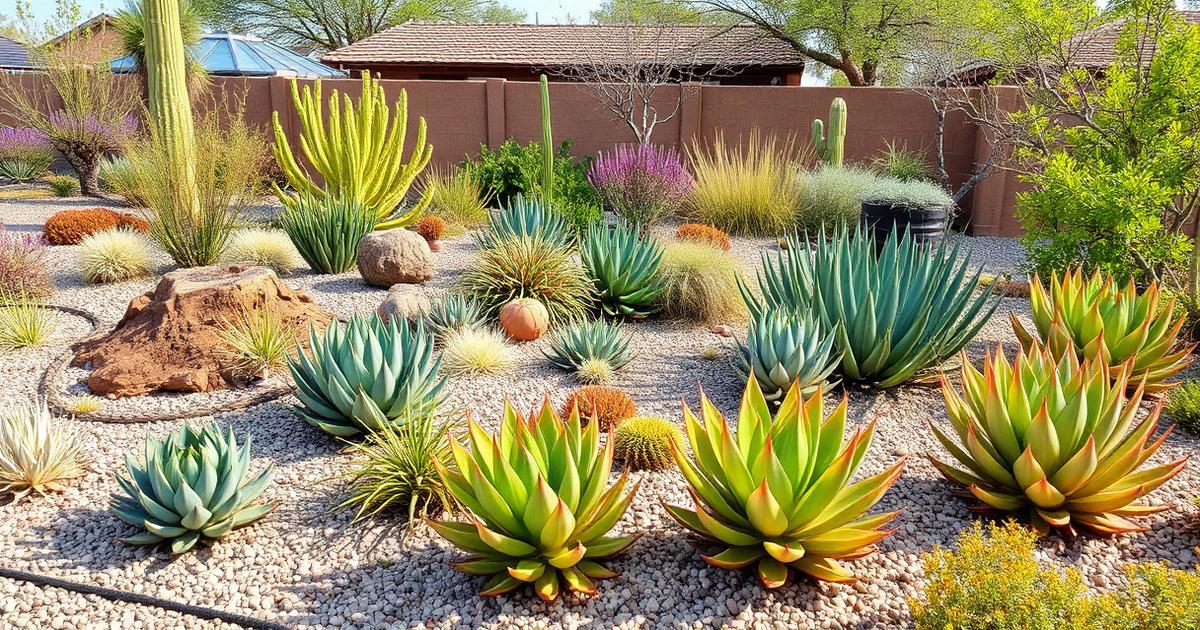
Why Drought-Tolerant Landscaping Matters More Than Ever
Water restrictions are expanding beyond traditional drought zones. Cities across the western United States, parts of the Southeast, and many international regions now mandate water-efficient landscaping for new construction. Even in areas without restrictions, water bills for landscape irrigation can reach $100–$300 per month during summer — money literally going down the drain.
But here's the paradigm shift: drought-tolerant doesn't mean desert-looking. The best water-wise landscapes are lush, colorful, and textured — they just achieve that beauty with plants adapted to thrive on natural rainfall. When you design with the right palette, your garden actually looks better during dry spells while your neighbor's lawn turns brown.
AI landscape design tools are particularly powerful for drought-tolerant planning because they can show you realistic visualizations of xeriscape styles you might not have considered. Upload your current water-hungry lawn and see it transformed into a Mediterranean paradise, a native prairie garden, or a contemporary succulent showcase.
Core Principles of Water-Wise Design
Hydrozoning
The most important drought-tolerant design principle is hydrozoning — grouping plants by their water needs. This prevents overwatering drought-tolerant plants (which actually kills them) and underwatering thirsty plants. Create three zones:
- Oasis zone — Near the house, patio, and entry. Higher water plants for maximum visual impact where you see them most. Typically 10–20% of your landscape.
- Transition zone — Middle areas. Moderate water plants that need occasional supplemental irrigation. About 30–40% of your landscape.
- Arid zone — Perimeter and background. Plants that survive on rainfall alone once established. 40–60% of your landscape.
Soil Preparation
Healthy soil retains moisture far better than compacted or sandy soil. Before planting, amend your soil with 3–4 inches of compost worked into the top 8–12 inches. This single step can reduce water needs by 25–50% by improving the soil's ability to hold moisture and making nutrients available to roots.
Efficient Irrigation
When irrigation is needed, drip systems deliver water directly to root zones with 90% efficiency, compared to 50–70% for sprinklers. Install drip irrigation in planting beds and reserve any sprinklers for the small lawn areas you choose to keep.
Best Drought-Tolerant Plants by Category
Ornamental Grasses
Grasses are the backbone of modern drought-tolerant design. They provide movement, texture, and year-round interest with minimal water:
- Blue Fescue (Festuca glauca) — Compact blue-silver mounds, 12 inches tall. Zones 4–8.
- Karl Foerster Feather Reed Grass — Upright form, 5 feet tall, golden plumes. Zones 4–9.
- Mexican Feather Grass (Nassella tenuissima) — Flowing, hair-like texture, 2 feet. Zones 7–11.
- Switchgrass (Panicum virgatum) — Native, upright, seasonal color change. Zones 4–9.
- Muhly Grass (Muhlenbergia capillaris) — Spectacular pink cloud blooms in fall. Zones 6–10.
Flowering Perennials
- Lavender — Fragrant, purple spikes, attracts pollinators. Zones 5–9.
- Russian Sage (Perovskia) — Airy blue-purple flowers, silvery foliage. Zones 4–9.
- Echinacea (Coneflower) — Native prairie flower, multiple colors. Zones 3–9.
- Salvia — Hundreds of species in every color, long blooming. Zones vary.
- Yarrow (Achillea) — Flat flower clusters, ferny foliage. Zones 3–9.
- Blanket Flower (Gaillardia) — Red and yellow daisies, blooms all summer. Zones 3–10.
Succulents and Cacti
- Agave — Dramatic rosettes, architectural statement plants. Zones 8–11.
- Sedum (Stonecrop) — Ground cover to tall varieties, extremely tough. Zones 3–10.
- Yucca — Sword-like foliage, dramatic flower spikes. Zones 4–11.
- Aloe — Medicinal, colorful flowers, easy care. Zones 9–11.
- Sempervivum (Hens and Chicks) — Cold-hardy succulents, great for rock gardens. Zones 3–8.
Shrubs and Trees
- Manzanita — Beautiful bark, evergreen, native western species. Zones 7–10.
- Texas Sage (Leucophyllum) — Silver foliage, purple blooms after rain. Zones 8–11.
- Olive trees — Mediterranean elegance, silvery foliage. Zones 8–10.
- Desert Willow (Chilopsis) — Orchid-like flowers, drought champion. Zones 7–11.
- Crape Myrtle — Long summer bloom, peeling bark. Zones 7–10.
Design Styles for Drought-Tolerant Landscapes
Mediterranean Style
Inspired by the landscapes of southern Europe — warm stone, gravel paths, lavender borders, and olive trees. This style is naturally water-efficient because Mediterranean climates are dry-summer environments. Key materials: warm-toned gravel, flagstone, terracotta pots, wrought iron accents.
Contemporary Xeriscape
Clean lines, geometric planting beds, architectural plants, and bold hardscape. This modern interpretation uses succulents, ornamental grasses, and sculptural plants in composed groupings against backgrounds of decomposed granite or polished gravel. The result is striking and requires almost zero supplemental water once established.
Native Prairie
For those who prefer a natural, wild aesthetic, native prairie gardens use grasses and wildflowers indigenous to your region. These gardens support local wildlife, require no fertilizer, and thrive on natural rainfall. They look best in larger spaces and create a meadow-like atmosphere.
Desert Modern
Bold, dramatic, and unmistakably designed — desert modern landscapes use large specimen cacti and agaves, boulder groupings, and clean gravel expanses punctuated by dramatic lighting. This style works best with contemporary architecture and makes a powerful statement.
Converting Your Lawn: Step by Step
Step 1: Plan Before You Remove
Don't rip out your lawn without a plan. Use AI to design your replacement landscape first. Check local rebate programs — many water districts offer $1–$3 per square foot of lawn converted to drought-tolerant landscaping. Some regions offer up to $5/sq ft.
Step 2: Remove the Lawn
Options for lawn removal:
- Sheet mulching — Layer cardboard over lawn, top with 4–6 inches of mulch. Wait 3–6 months. Easiest method, no chemicals.
- Sod cutter — Rent one for $75–$100/day. Quick but labor-intensive.
- Solarization — Cover with clear plastic for 4–6 weeks in summer. Heat kills grass and weed seeds.
Step 3: Install Hardscape
Lay pathways, patios, and borders before planting. Good drainage is critical — grade surfaces to direct water away from the house and into planted areas where it can irrigate naturally.
Step 4: Amend and Mulch
Prepare planting areas with compost, install drip irrigation, and apply 3–4 inches of mulch (bark, wood chips, or gravel depending on style). Mulch reduces evaporation by 50–70% and suppresses weeds.
Step 5: Plant Strategically
Plant in fall when possible — cooler temperatures and seasonal rains help roots establish. Space plants according to their mature size (they'll look sparse initially but fill in within 1–2 growing seasons). Water deeply at planting and gradually reduce irrigation over the first year.
Maintenance Calendar
| Season | Tasks | Time |
|---|---|---|
| Spring | Light pruning, refresh mulch, check irrigation, divide perennials | 4–6 hours total |
| Summer | Monitor new plantings, occasional deep watering if needed | 1–2 hours/month |
| Fall | Plant new additions, cut back grasses after frost, final weeding | 4–6 hours total |
| Winter | Plan next season, clean and store tools, enjoy the structural beauty | Minimal |
Visualize Your Water-Wise Landscape
Upload a photo of your current lawn and see it transformed into a stunning drought-tolerant design. Explore Mediterranean, xeriscape, and native styles — all generated by AI in minutes.