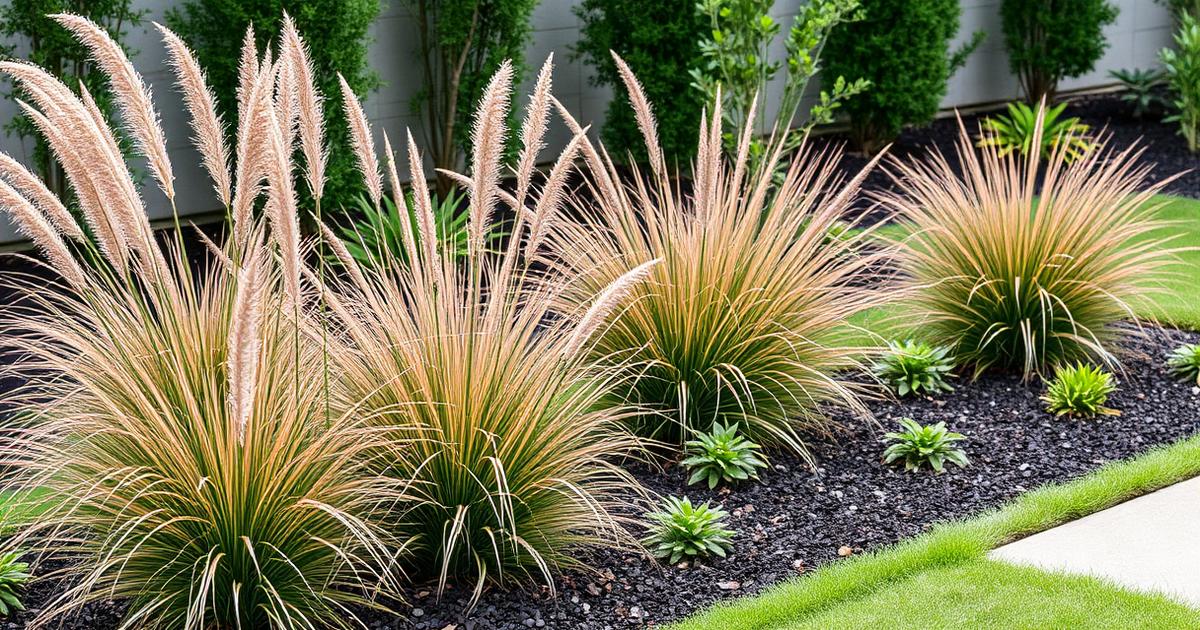
Why Low-Maintenance Landscaping Is the Smartest Investment
The average American homeowner spends 70 hours per year on lawn and garden maintenance. That's nearly two full work weeks dedicated to mowing, weeding, watering, and trimming. For many, this time commitment turns what should be an enjoyable outdoor space into a dreaded chore list.
Low-maintenance landscaping isn't about giving up on beauty — it's about designing smarter. By choosing the right plants, materials, and layout from the start, you can create a yard that looks professionally maintained with a fraction of the effort. And with AI landscape design tools, you can visualize exactly how these low-maintenance choices will look in your specific yard before you spend a single dollar.
The Core Principles of Low-Maintenance Design
1. Right Plant, Right Place
The number one cause of high-maintenance gardens is plants placed in the wrong conditions. A shade-loving fern in full sun will require constant watering and care. A tropical plant in a cold climate needs winter protection. When you match plants to your specific conditions — sun exposure, soil type, climate zone — they essentially take care of themselves.
AI design tools analyze your yard photo and can suggest plants appropriate for the conditions visible in the image. Instead of guessing which plants might work, you get visual confirmation of how native and adapted species will look in your actual space.
2. Reduce Lawn Area Strategically
Traditional lawns are the single highest-maintenance element in most yards. They need weekly mowing, regular watering, fertilizing, aerating, and weed control. By reducing lawn area and replacing it with ground covers, mulched beds, gravel paths, or patio space, you dramatically cut maintenance time.
This doesn't mean eliminating grass entirely. A smaller, well-defined lawn area can serve as a focal point or play space while being much more manageable than a sprawling expanse. AI tools let you experiment with different lawn-to-garden ratios to find the balance that works for your lifestyle.
3. Group Plants by Water Needs
Hydrozoning — grouping plants with similar water requirements together — is one of the most effective low-maintenance strategies. When drought-tolerant plants are mixed with thirsty ones, you either overwater the drought-tolerant species (causing root rot) or underwater the moisture-lovers (causing stress and die-off).
By creating distinct hydrozones, you can set up simple irrigation schedules that give each area exactly what it needs. High-water zones near the house where you see them most, transitional zones in the middle, and drought-tolerant zones at the perimeter.
Best Low-Maintenance Plants by Climate
Hot and Dry Climates (Zones 8-10)
- Lavender — Fragrant, drought-tolerant, attracts pollinators, needs almost no care once established
- Agave — Architectural focal point, virtually zero maintenance, dramatic sculptural form
- Red Yucca — Year-round interest, hummingbird magnet, handles extreme heat
- Desert Marigold — Blooms for months, self-seeds naturally, thrives on neglect
- Blue Fescue — Ornamental grass with silver-blue foliage, compact and tidy
Temperate Climates (Zones 5-7)
- Daylilies — Bloom reliably for weeks, multiply naturally, almost impossible to kill
- Hostas — Perfect for shade, come in hundreds of varieties, low care requirements
- Sedum — Ground cover or upright varieties, thrives in poor soil, great fall color
- Catmint — Long bloom period, deer resistant, cut back once per year
- Switchgrass — Native ornamental grass, fall color, winter structure, zero inputs needed
Cool and Wet Climates (Zones 3-5)
- Siberian Iris — Elegant blooms, strong foliage all season, extremely cold hardy
- Astilbe — Feathery plumes in shade, no deadheading needed, moisture-loving
- Coral Bells — Colorful foliage year-round, compact, semi-evergreen in mild winters
- Brunnera — Heart-shaped leaves, blue forget-me-not flowers, shade champion
Ground Cover Alternatives to Lawn
Replacing portions of your lawn with ground covers is one of the most impactful low-maintenance moves you can make. Here are proven options:
Creeping Thyme: Fragrant when walked on, handles light foot traffic, produces tiny purple flowers in summer. It forms a dense mat that suppresses weeds and never needs mowing. Perfect for paths between stepping stones or as a lawn substitute in small areas.
Clover (White Dutch or Micro): Fixes nitrogen in the soil (free fertilizer), stays green in drought, soft underfoot, and the micro varieties stay compact. Many homeowners are replacing entire lawns with clover and finding maintenance drops by 80% or more.
Sedum (Stonecrop): For sunny, dry areas where nothing else wants to grow, low-growing sedums create a living carpet. They handle foot traffic moderately well and produce charming flowers. Virtually indestructible once established.
Moss: In shady, moist areas where grass struggles, moss is the natural solution. It requires no mowing, no fertilizing, and no watering once established. A moss lawn creates a serene, woodland atmosphere that looks intentional and elegant.
Hardscaping for Reduced Maintenance
Strategic hardscaping — patios, paths, retaining walls, and decorative stone — reduces plantable area while adding function and beauty. The key is balance: too much hardscape feels sterile, too little defeats the low-maintenance purpose.
Smart Hardscape Materials
Decomposed Granite: Less expensive than pavers, creates clean paths and gathering areas. Needs occasional raking and top-dressing but far less work than maintaining the same area as lawn. Available in warm earth tones that complement most landscapes.
Natural Stone Pavers: Higher upfront cost but essentially zero maintenance for decades. Unlike concrete, they don't crack easily and develop a beautiful patina over time. Flagstone, bluestone, and slate are popular choices that age gracefully.
Gravel Gardens: A modern aesthetic that works beautifully with drought-tolerant plantings. Use landscape fabric underneath to prevent weed growth. Mediterranean and Japanese garden styles embrace gravel as a design feature, not just a filler material.
How AI Helps You Design Low-Maintenance Landscapes
Traditional landscape design requires either extensive plant knowledge or expensive professional consultation. AI changes this equation dramatically:
- Upload your yard photo — The AI analyzes your current space, noting sun exposure, existing features, and proportions
- Select a low-maintenance style — Choose from options like xeriscaping, native garden, modern minimal, or naturalistic prairie
- Review generated concepts — See multiple versions of your yard with different plant combinations and hardscape layouts
- Refine and compare — Adjust elements you like and regenerate until you find the perfect balance
- Share with professionals — Use the AI-generated concept as a clear brief for your landscaper or garden center
The beauty of this approach is experimentation without commitment. Want to see how your yard would look with 50% less lawn? How about a gravel garden in the front yard? A native prairie meadow along the side? AI lets you test all these scenarios visually before making any decisions.
Irrigation Strategies for Low-Maintenance Gardens
Even low-maintenance gardens need water — at least during establishment. But the right irrigation system can make watering essentially hands-free:
Drip Irrigation: Delivers water directly to plant roots with minimal waste. Once installed, it runs on a timer and requires only seasonal adjustments. The most efficient option for garden beds and shrub areas.
Smart Controllers: Modern irrigation controllers connect to weather stations and adjust watering automatically based on rainfall, temperature, and humidity. They can reduce water usage by 30-50% compared to fixed-timer systems.
Rain Gardens: Strategically placed depressions that capture and filter stormwater runoff. They're planted with moisture-loving natives that thrive on the natural water supply, requiring no supplemental irrigation after the first year.
Mulching: The Low-Maintenance Secret Weapon
A 3-4 inch layer of organic mulch is perhaps the single most effective low-maintenance tool. It suppresses weeds, retains soil moisture, regulates soil temperature, and slowly breaks down to feed plants. Wood chips, shredded bark, and pine straw are excellent choices.
Apply mulch annually in spring, keeping it a few inches away from plant stems and tree trunks. This one annual task can eliminate hundreds of hours of weeding throughout the season.
The 80/20 Rule of Low-Maintenance Landscaping
Focus on these four changes for maximum impact with minimum effort: (1) Reduce lawn area by 30-50%, (2) Mulch all garden beds, (3) Install drip irrigation on a timer, (4) Choose native and adapted plants. These four steps alone can reduce your maintenance time by 60-80%.
Common Mistakes to Avoid
Mistake 1: Choosing "low-maintenance" plants that aren't suited to your climate. A plant that's low-maintenance in California may be high-maintenance in Minnesota. Always verify that recommendations match your USDA hardiness zone and specific growing conditions.
Mistake 2: Ignoring the establishment period. Even the most drought-tolerant plants need consistent watering during their first year while roots develop. Plan for higher maintenance in year one with the understanding that effort drops dramatically afterward.
Mistake 3: Eliminating all lawn without considering function. If you have kids or pets, some open lawn area is practical. The goal is reducing unnecessary lawn, not eliminating all grass.
Mistake 4: Using invasive species. Some "easy-care" plants are easy because they spread aggressively. Always check that recommended plants are not invasive in your region before planting.
Ready to Design Your Low-Maintenance Landscape?
Upload a photo of your yard and let AI show you exactly how a low-maintenance design would look in your space. See drought-tolerant plants, smart ground covers, and efficient layouts — all customized to your yard.
Try AI Landscape Design Free →