Why Pollinator Gardens Matter (and Why They Look Better Than You Think)
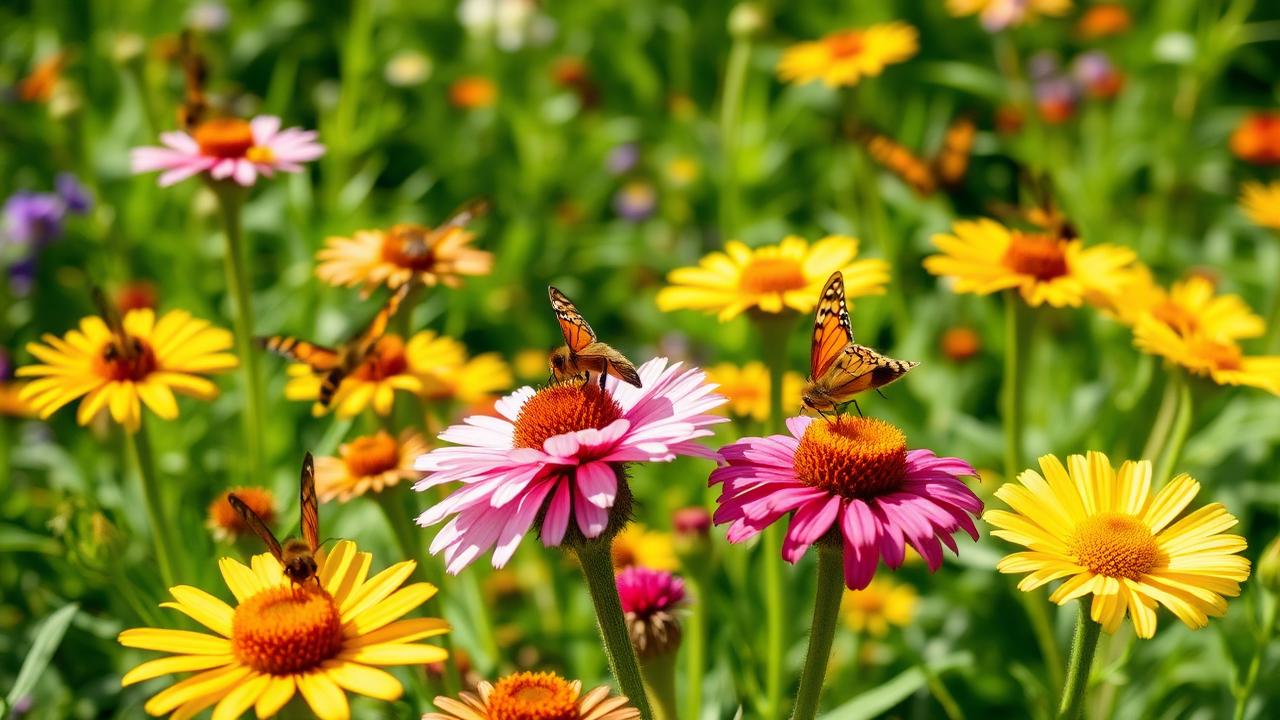
Bees, butterflies, and hummingbirds are in steady decline across North America and Europe — largely because suburban lawns offer almost nothing for them to eat. Replacing even a portion of turf with pollinator-friendly planting brings measurable life back to your yard: hummingbirds at the window, monarchs on milkweed, native bees on coneflowers in August.
The old assumption was that pollinator gardens look wild or unkempt. That is no longer true. Modern pollinator design uses the same principles as any good border: repetition, structure, and seasonal rhythm. Done well, it looks intentional and lush — not weedy.
The Three Rules of Pollinator Design
1. Bloom Across All Three Seasons
Pollinators need food from the moment they emerge in early spring until they prepare for winter in October. A garden that peaks in June and goes dormant in August leaves them hungry. Plan for at least three plants blooming at any given time across the full season.
- Early spring: crocus, hellebore, native willow, serviceberry
- Late spring: baptisia, columbine, salvia, catmint
- Early summer: coneflower, bee balm, milkweed, lavender
- Mid summer: black-eyed Susan, agastache, Russian sage, phlox
- Late summer: sedum, Joe Pye weed, ironweed, helenium
- Fall: aster, goldenrod, sneezeweed, native grasses
2. Plant in Drifts, Not One-Offs
A single coneflower is invisible to a bee flying past at speed. A drift of nine coneflowers is a landing strip. Group three to nine of the same plant together rather than scattering one of everything. This also makes the garden look designed rather than chaotic.
3. Prioritize Natives
Native plants co-evolved with native pollinators and offer the right pollen and nectar at the right times. A native milkweed feeds monarch caterpillars; an exotic ornamental does not. Aim for at least 70 percent natives in a true pollinator garden, with non-natives reserved for accents.
Using AI to Design Your Pollinator Garden
The challenge with pollinator gardens is visualizing how they will look across seasons. A photo of bare soil in March tells you nothing about whether your design will feel structured in August. AI tools that generate landscape concepts from your yard photo solve this — you can see the same border rendered in early summer bloom, late summer fullness, and fall color before you commit.
Useful prompts to try:
- "Native pollinator border along south-facing fence, drifts of coneflower, bee balm, and Russian sage, mid-summer bloom"
- "Front yard pollinator garden with low boxwood edge, naturalistic plantings behind, asters and goldenrod in fall"
- "Backyard meadow strip replacing lawn, native grasses and milkweed, butterfly-friendly"
Layout Patterns That Work
The Layered Border
Tall plants (Joe Pye weed, ironweed, native grasses) at the back, mid-height (coneflower, bee balm, agastache) in the middle, low (catmint, creeping thyme, sedum) at the front. Classic and structured.
The Meadow Strip
Replace a strip of lawn along a fence or driveway with a planted meadow of grasses and forbs. Lower maintenance than a traditional border and high visual impact in mid to late summer.
The Pocket Pollinator
A small dedicated bed (3 by 6 feet) packed with five or six pollinator favorites. Perfect for small yards or for testing the look before committing larger areas.
What to Avoid
- Double-flowered cultivars — many have been bred to lose nectar and pollen access. Stick to single-flowered forms.
- Pesticides, including organic ones — even neem oil kills bees on contact.
- Cleaning up too early in spring — many native bees overwinter in hollow stems. Leave standing stalks until temperatures stay above 50°F.
- Lawn directly to flower bed — turf treatments drift. Add a mulch buffer or stone edge.
Conclusion
A pollinator garden is one of the most rewarding landscape projects you can take on — visually beautiful, ecologically meaningful, and lower maintenance than most lawns. AI design tools make it easier than ever to plan one that looks intentional from day one. Start with a single border, get the bloom calendar right, and expand as you learn what thrives in your conditions.